
Communicate

contact-icon

Registrations Open

blog-icon

History and
Achievements

Foundation

UNICAB Educational Corporation was created in the city of Sogamoso by Resolution No. 0194 of July 18, 2001, issued by the Government of Boyacá. From its inception, it was established as a non-profit institution, with a philosophy focused on offering the right to education in an innovative manner, tailored to the needs of those involved in its processes, fostering the exchange of knowledge and strengthening the leadership of its participants.

From its creation until 2007, UNICAB Educational Corporation developed various services:

2002-2003

With the Sogamoso Chamber of Commerce: training, capacity building and empowerment processes were carried out for merchants in Sogamoso and in eight municipalities of the Sugamuxi Province, through strategies focused on marketing, sales and customer service, among others.

Project “Recovery of the Social Fabric of the Coal Production Chain of the Cundiboyacense Highlands”: This project, led by the United Nations Development Programme (UNDP), was implemented in 13 coal-producing municipalities in Boyacá. Training, awareness-raising, and capacity-building processes were carried out for mine workers, their families, and communities.

2004-2007

With the Colombian Institute of Family Welfare (ICBF) and municipalities in the provinces of Sugamuxi and Tundama: In Sugamuxi: Sogamoso, Duitama, Paipa, Iza, Monguí, Gámeza, Mongua, Aquitania, Tota, Cuítiva, Corrales. In Tundama: Paipa, Duitama, Sogamoso, Corrales, Nobsa. The following took place: The Family Educator program.

Program for Attention to Dispersed Rural Populations and The Family Educator: Co-financed by the ICBF and 10 municipalities in the provinces of Tundama and Sugamuxi, this program served rural communities and populations with specific educational needs.

In 2007, the need arose to serve people with special socioeconomic conditions, such as high-performance athletes, artists, families in constant global mobility, and farmers who could not access face-to-face education.

2007-2008

To address this need, a provisional operating license to provide educational services using ICT was requested from the Sogamoso Education Secretariat. Thus, the UNICAB Virtual College project (www.unicab.org), authorized by Resolution No. 061 of December 15, 2007.

Since 2008, the UNICAB Virtual School has graduated 655 eleventh-grade students and served over 5,000 students, including athletes, artists, children, teenagers, and adults. This model has enabled students to achieve outstanding academic results, fostering skills and motivating them to reach their goals. Many have earned scholarships to national and international universities.

UNICAB Research Group (GIU)

Read More

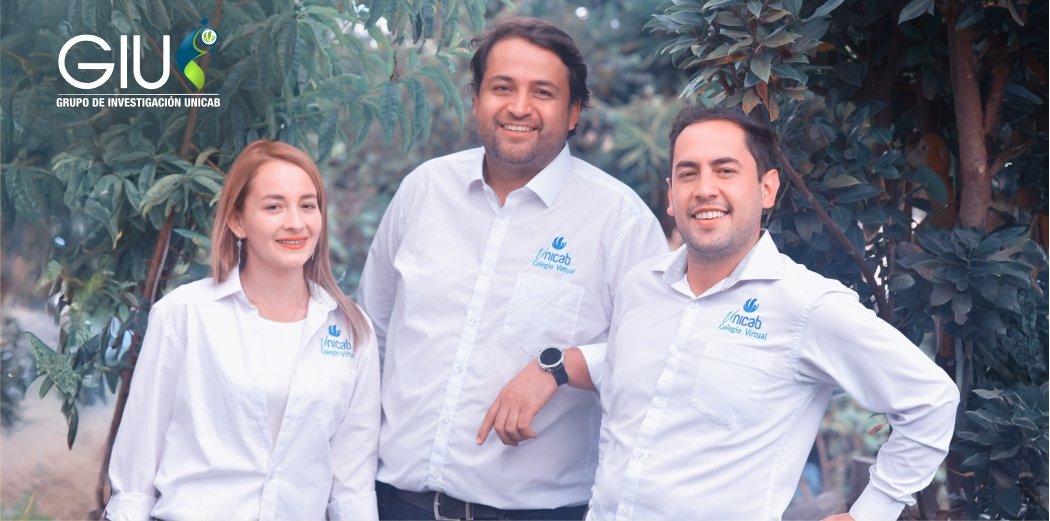
It is a collegial research body comprised of a group of professors and external advisors, whose objective is to advance scientific, technological, pedagogical, and complementary strategic developments... within the UNICAB Ecosystem pedagogical model. This group manages coherent research projects and proposals aimed at consolidating cognitive, propaedeutic, strategic, methodological, and synergistic components to develop learning content, sequences, and methods. All of this is applied to online education in a disruptive and innovative way within a cyber environment, formulating and responding with rigorous research to one or more problems in the field. Furthermore, it provides solutions and corrective measures through medium- and long-term strategic plans, in order to generate concrete knowledge on the topics addressed.

Team Creative

Read More

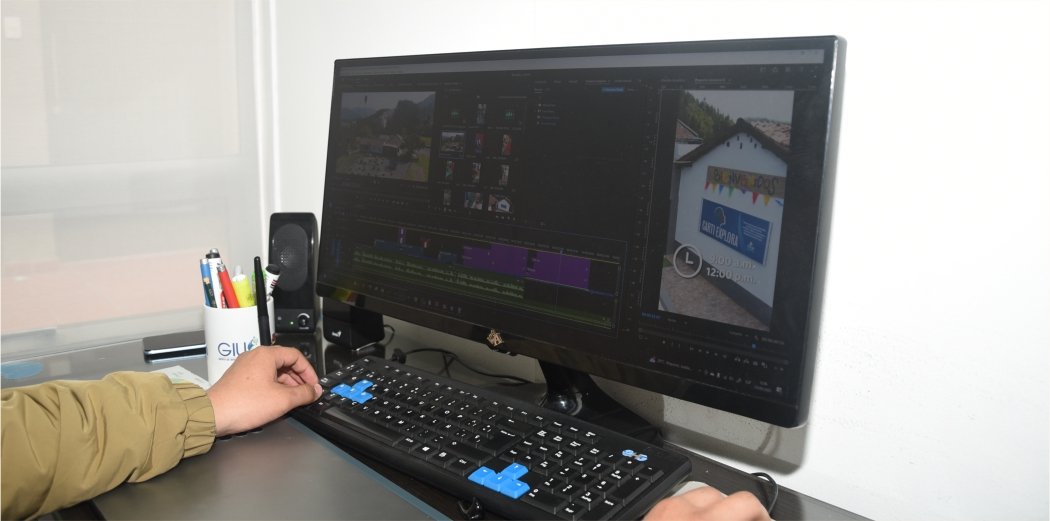
It is comprised of a select group of faculty members from the institution and external consultants who freely and voluntarily contribute their intellect and creativity to the instructional, visual, co...rporate, pedagogical, and advertising development. This team is responsible for reviewing and monitoring the teaching and learning materials produced by the faculty members before they are published on technological platforms and communication channels. It also contributes to academic management, business planning, inter-institutional events, and required advertising work.

Team Systems

Read More

It is comprised of faculty members, external systems engineers, and partners who freely and voluntarily contribute to the holistic and technological development of the institution. This team organizes... and maintains the necessary hardware resources for software execution, always striving for maximum speed and quality in the management of institutional information. It coordinates actions with the various departments and system users to ensure excellent quality in the school´s IT processes. Furthermore, it performs updates, support, and technical maintenance, adhering to current standards and procedures. It provides hardware and software technical support, trains users on program usage, installs and updates applications required for the platforms, and conducts periodic checks. It also assists in understanding and using the implemented technologies, monitoring their application and operation.

Team Style Editing

Read More

This team is responsible for reviewing the content generated by teachers on the platform, ensuring its quality and accuracy. They receive access to the content from the thought leader and provide feed...back through reports that include observations and suggestions for improvement. They also review documents before publication or distribution through various communication channels. Like the creative team, they may use a checklist format to guarantee a structured and efficient analysis.

Group Teachers Corps

Read More

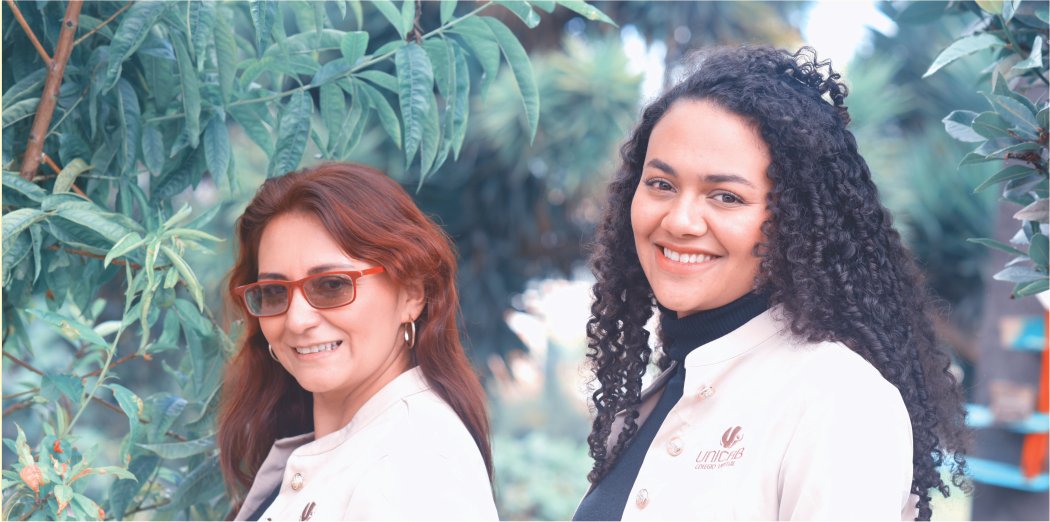
This group comprises all teaching staff with academic responsibilities at the UNICAB Virtual College who are also assigned the role of degree program director. This year, a form called the General Deg...ree Program Director´s Report was implemented to document both the academic workload and the activities related to degree program directorship. While we have complete confidence in the staff´s work, experience has shown the importance of documenting the actions taken.

The group also assesses students level of engagement in critical thinking, describing each student´s performance to establish objective evaluation criteria. This allows for the implementation of preventative, corrective, and productive strategies to improve performance and ensure students inclusion or advancement.